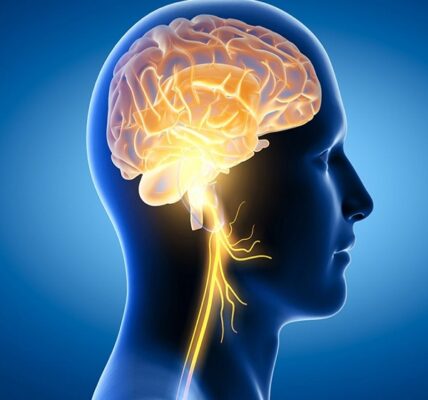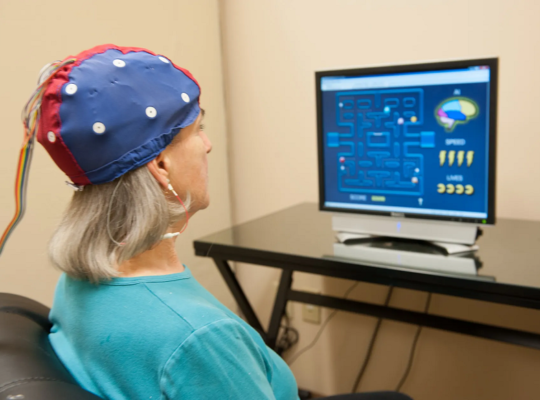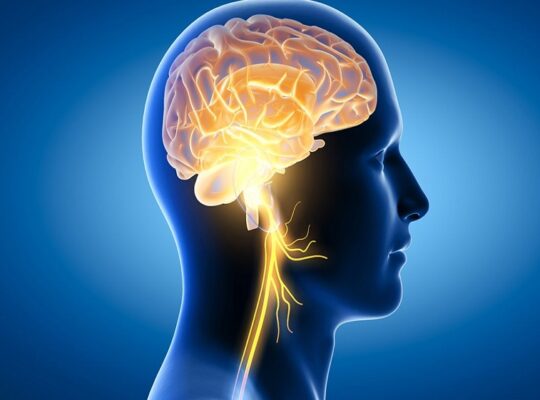
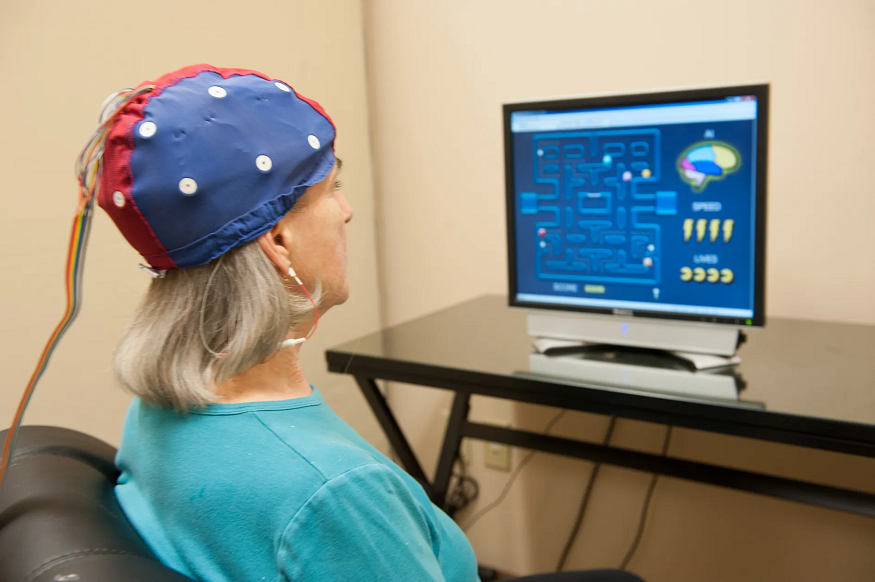

Neurofeedback therapy is a non-invasive approach that does not rely on medication to train the brain to regulate its activity more effectively. During a neurofeedback session, brain activity is monitored using specialized technology, while the individual receives immediate feedback based on the patterns being observed. With repeated training, the person gradually learns to develop greater control over certain aspects of brain function. Rather than directly treating symptoms through medication, neurofeedback focuses on helping the brain develop more balanced and efficient patterns of activity.
A brief introduction to neurofeedback therapy
Neurofeedback therapy is often incorporated into a broader mental health treatment plan to support emotional regulation, attention, concentration, cognitive functioning, and general psychological well-being. It is often considered a complementary approach rather than a replacement for established treatments. When combined appropriately with psychotherapy, healthy lifestyle practices, mindfulness techniques, and other professional interventions, neurofeedback may provide additional support for individuals experiencing ongoing mental health difficulties.
One of the central concepts associated with neurofeedback is neuroplasticity. The brain is not a completely fixed system. Throughout life, it can adapt to experiences, learning, repetition, and environmental changes by modifying neural connections and developing new patterns of functioning. Neurofeedback training is designed around this capacity for adaptation. Instead of simply telling an individual to change a particular behavior, the therapy provides repeated opportunities for the brain to recognize and practice different patterns of activity. Real-time feedback can help create a learning environment in which the individual gradually becomes more aware of and capable of regulating certain brain responses. This process is not an instant solution. Like other forms of training, neurofeedback generally involves repeated sessions, individualized protocols, and professional supervision. The specific goals of treatment can vary depending on the individual’s symptoms, circumstances, clinical history, and overall treatment plan.
Read More: Electric Toothbrush vs. Manual: Which One Should You Choose?
One area in which neurofeedback may be useful is emotional regulation. Individuals dealing with prolonged psychological stress or trauma-related difficulties can sometimes experience an unusually sensitive threat-response system. Their bodies and brains may remain prepared to respond to danger even when the immediate environment is relatively safe. This can contribute to symptoms associated with heightened arousal, including irritability, anxiety, restlessness, difficulty relaxing, sleep problems, or an exaggerated response to stressful situations. Other individuals may experience the opposite pattern, characterized by emotional shutdown, withdrawal, numbness, or reduced engagement.
Neurofeedback therapy aims to support more balanced regulation of brain activity rather than simply suppressing an emotional response. Through repeated training, it may help an individual develop greater stability in the way the nervous system responds to internal and external demands. For people with trauma-related symptoms, this potential stabilizing effect can be particularly relevant. Early treatment may focus on creating a stronger sense of regulation and safety before deeper emotional material is explored through psychotherapy. This can be useful for individuals who become easily overwhelmed when discussing distressing experiences.
Read More: How Carnosine Supports Brain Health and Cognitive Function
Mental health difficulties can also affect cognitive abilities. During periods of significant psychological distress, people may have trouble concentrating, remembering information, completing tasks, or processing information efficiently. Persistent emotional stress can make it difficult to direct attention toward work, education, relationships, or other everyday responsibilities. Neurofeedback protocols may be designed to support brain functions associated with attention and cognitive performance. Training may focus on patterns related to concentration, sustained attention, working memory, and other executive functions.